In this guide
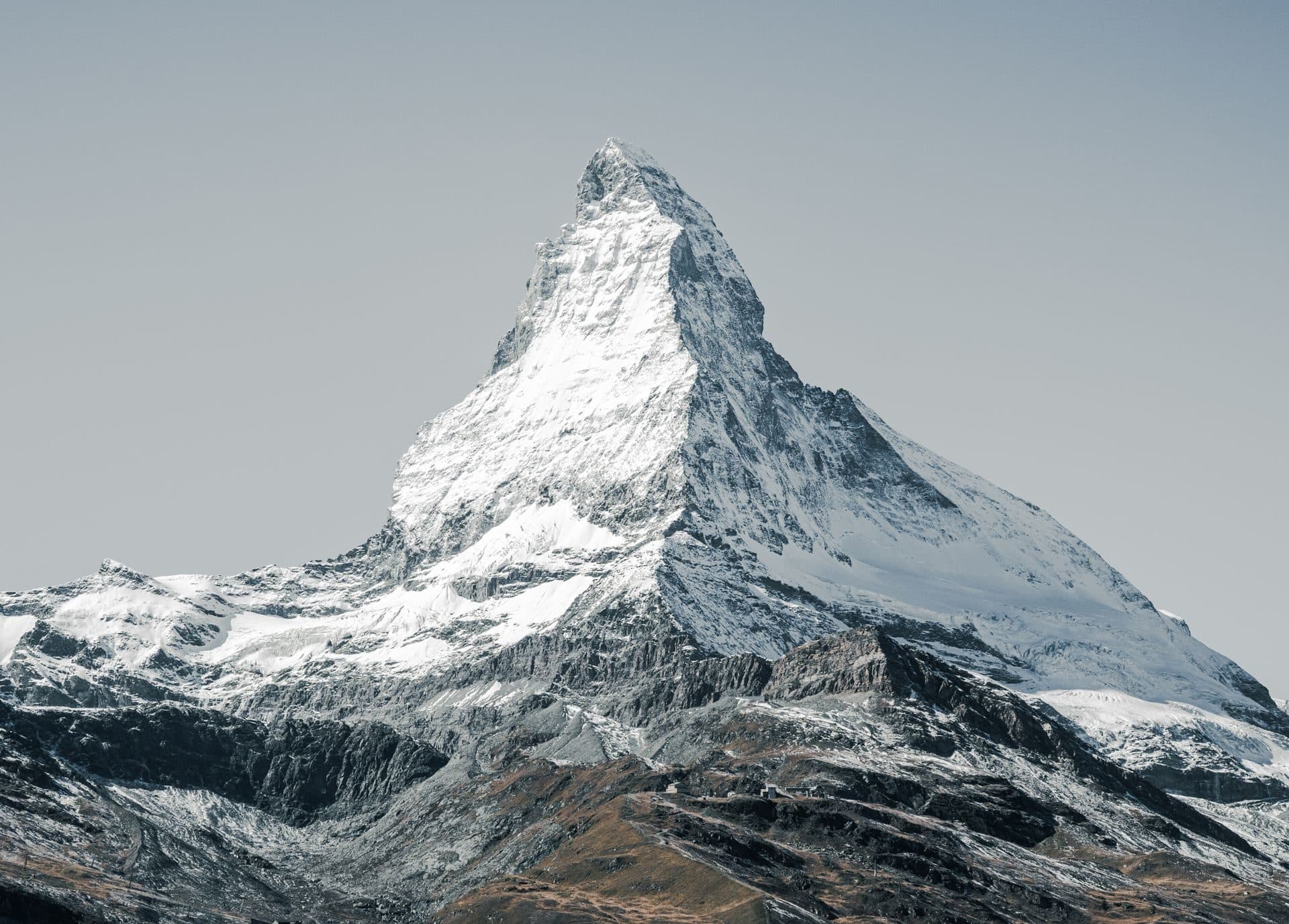
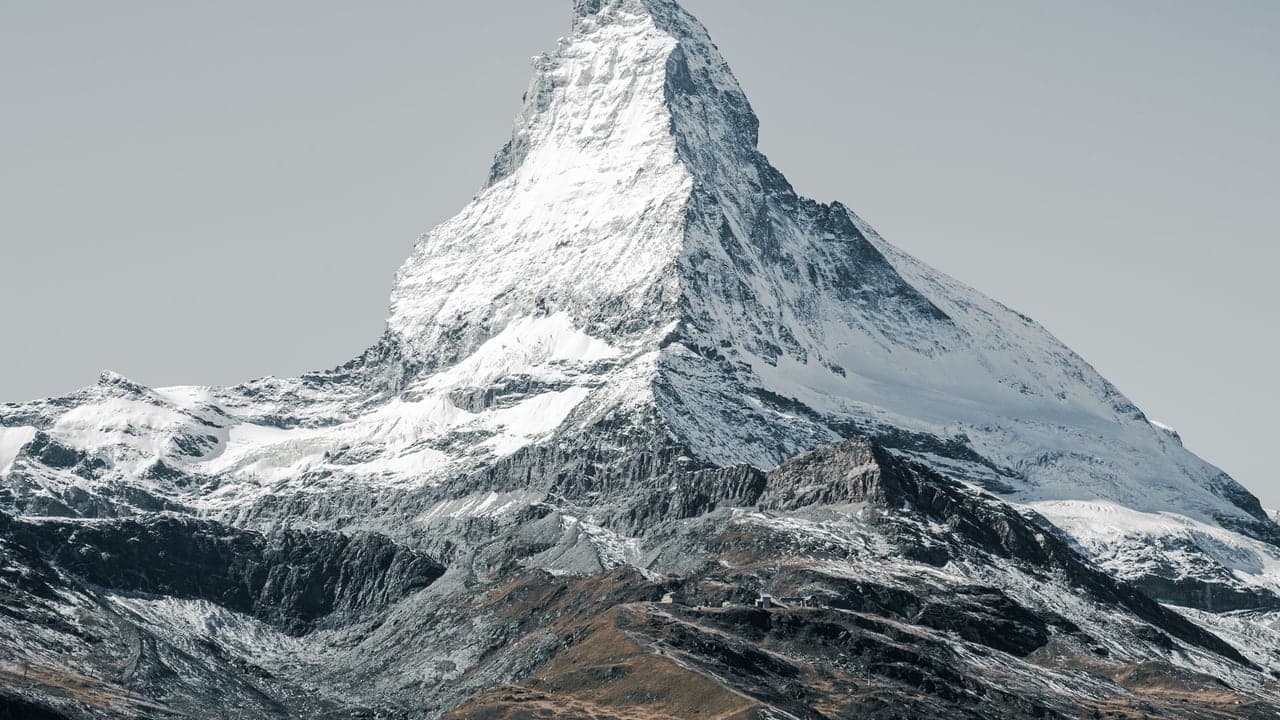
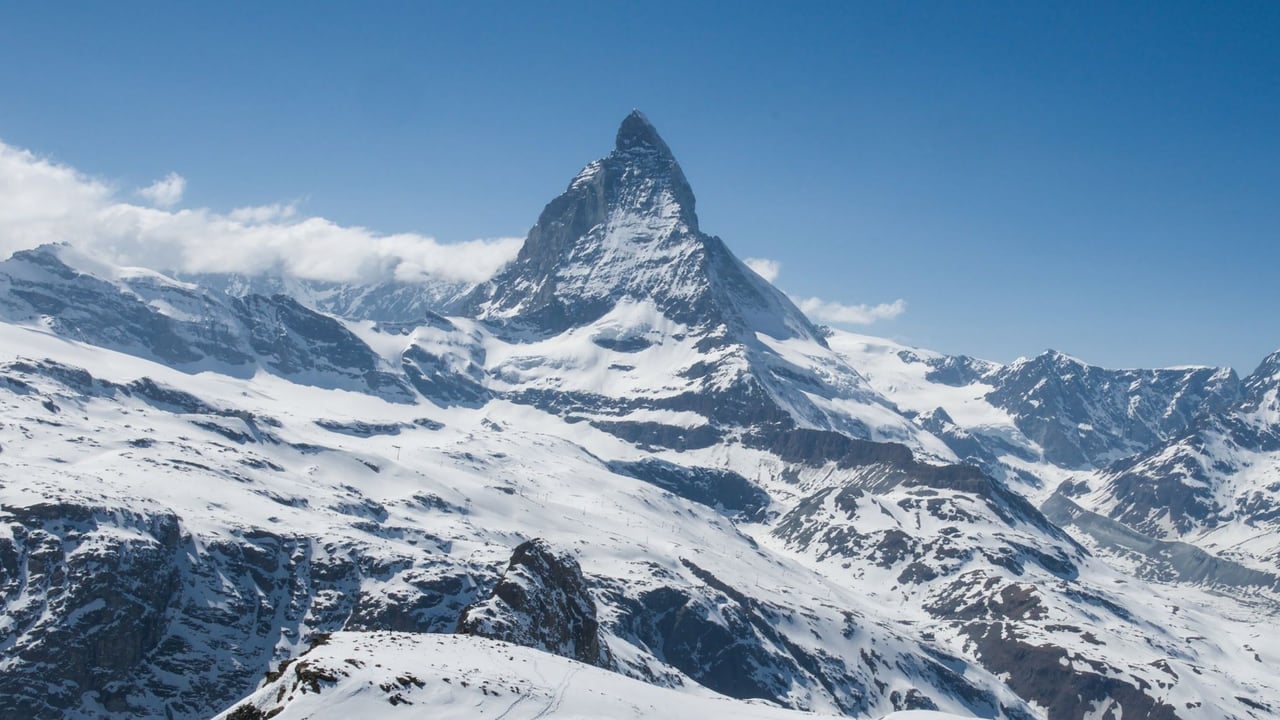
Most ski trip planning starts at the resort. For Zermatt, it should start on the train. The last stretch into the village runs through a narrow valley with no road traffic, and partway along it the Matterhorn appears above the rooftops before the train has even stopped. You can see that exact moment in the footage from this trip: this clip catches the peak coming into view the way it actually happens, not a staged shot from a viewpoint.
What does the arrival into Zermatt actually look like?
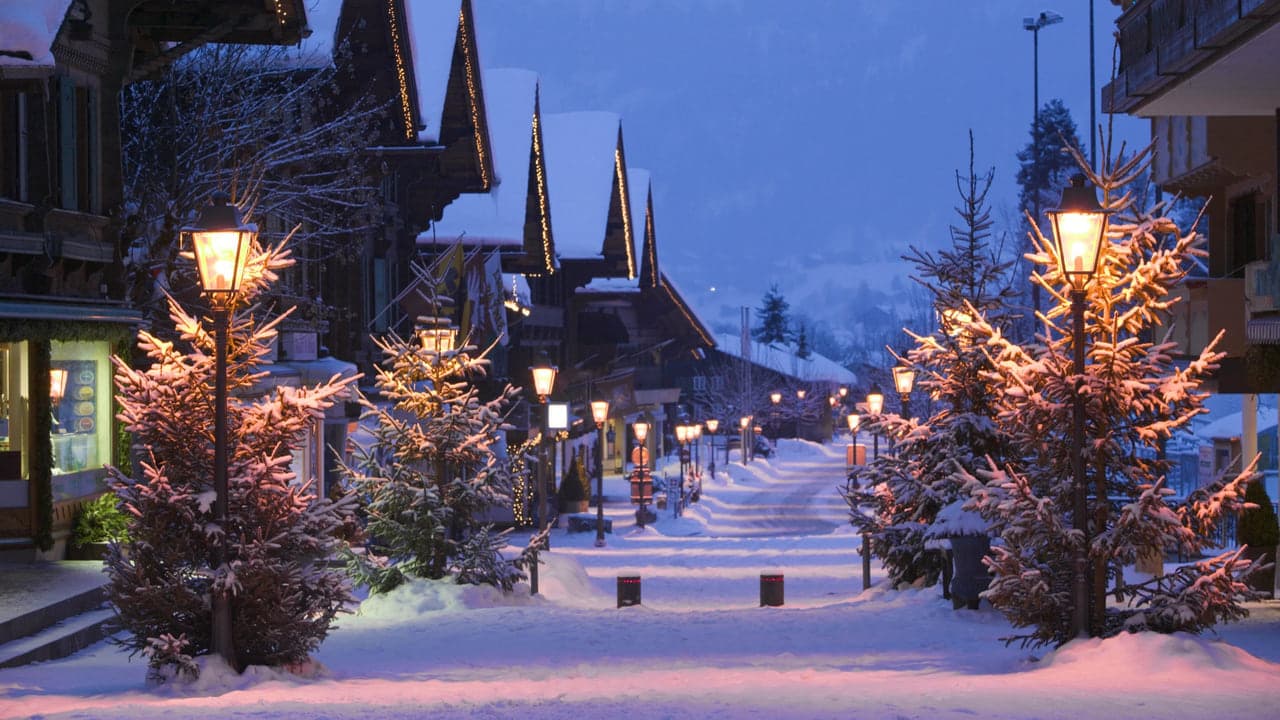
The arrival starts at Tasch, the last town reachable by road, where every visitor leaves the car behind and boards a short train for the final few kilometres into the village. Zermatt itself allows no private combustion cars, so the platform opens directly onto streets shared by pedestrians, electric taxis and the occasional horse drawn sleigh. That shift, from a parking lot to a car free village square, is the first sign that the trip has actually begun. A first time visitor coming from almost any other ski destination notices the quiet immediately, since there is no engine noise to compete with the sound of boots on packed snow. That quiet is one of the clearest differences between a European season like this one and a Southern Hemisphere season such as Bariloche, covered in Switzerland and Argentina: two ski seasons.
Where does the Matterhorn first come into view?
The first full view of the Matterhorn comes on the train itself, somewhere in the last few minutes before Zermatt, when the valley opens and the peak appears straight ahead rather than off to one side. It is not a view that needs a hike or a lift pass to reach, which is part of why it works so well as an opening scene. Photographs of the Matterhorn from the Zermatt and Cervinia skiing circuit usually show it from the slopes, under full sun, days into a trip. The train approach shows it first, from below, before the skis have even come out of their bags. Guides written for first time visitors, like this one, walk through lift passes and village logistics but rarely mention this moment at all.
What does a day skiing the Zermatt and Cervinia circuit involve?
A day on snow in Zermatt usually means skiing a connected circuit that crosses into Italy, since the lift network links Zermatt directly to Cervinia without leaving the slopes. That connected circuit is a large part of what makes the resort worth the trip beyond the arrival itself, letting one day start in Switzerland and finish lunch in Italy before skiing back. Trip reports that cover three days skiing Zermatt and Cervinia describe the circuit well, though usually as a logistics question rather than the payoff that it is. The terrain sits high enough that snow reliability across the season tends to hold up better than lower resorts nearby.
How does a private trip arrange that arrival?
A private trip plans the arrival on purpose, choosing the train time, the direction of travel and even which side of the carriage to sit on so that the Matterhorn appears clearly rather than by accident. Patagonia Living assembles the instructor network and the on the ground arrangements trip by trip, around moments like this one, rather than selling a fixed package with the arrival left to chance. The same attention carries into the evening, once the lifts close and the village changes again, and into the season choice itself, whether that means Zermatt in winter or a different mountain entirely.
Planning a Zermatt trip around that opening scene, rather than just the lift tickets, is the difference between landing in a ski town and actually arriving in one. Plan your season with us.
Common questions
What is the best month to ski in Zermatt?
The Zermatt season runs from December to April, with the clearest Matterhorn views typically in the cold, dry stretch from January to March. See how that compares to a Southern Hemisphere season in Switzerland and Argentina: two ski seasons.
Is Zermatt worth visiting for skiing?
Yes. Beyond the connected terrain into Cervinia, Zermatt offers something few resorts do, a village arrival that is part of the experience rather than a formality, as described in how a private trip arranges that arrival.
How many days to ski in Zermatt?
Most private trips plan five to seven days on snow, long enough to ski both the Zermatt and Cervinia sides and still leave an evening or two free, covered in Zermatt in the evening.
How do visitors get into Zermatt since it is car free?
A train from Tasch is the only way in, since private combustion cars are not allowed past that point. That approach is exactly where the Matterhorn first comes into view, as covered in where the Matterhorn first appears.
- Zermatt
- Europe
- Planning