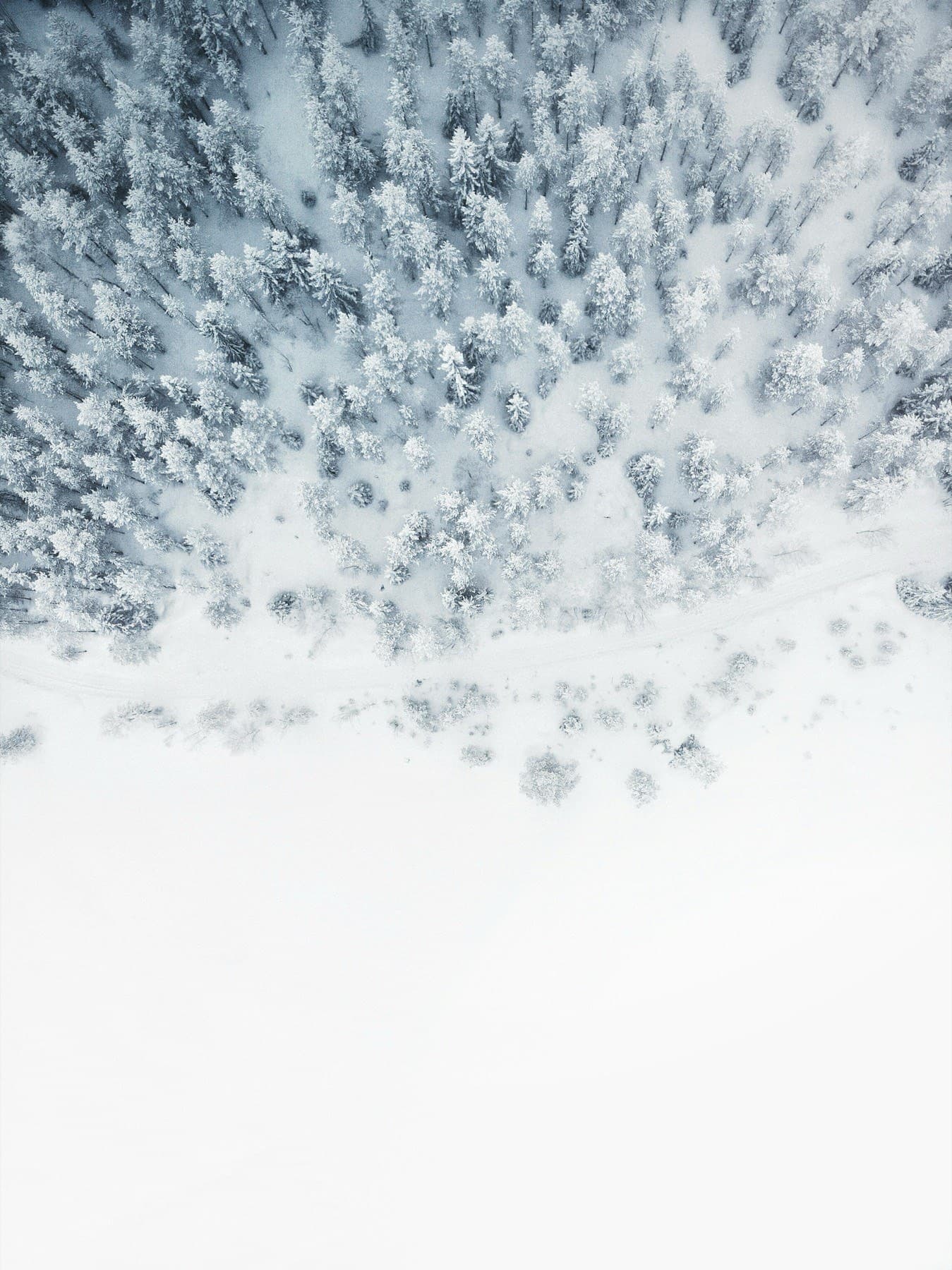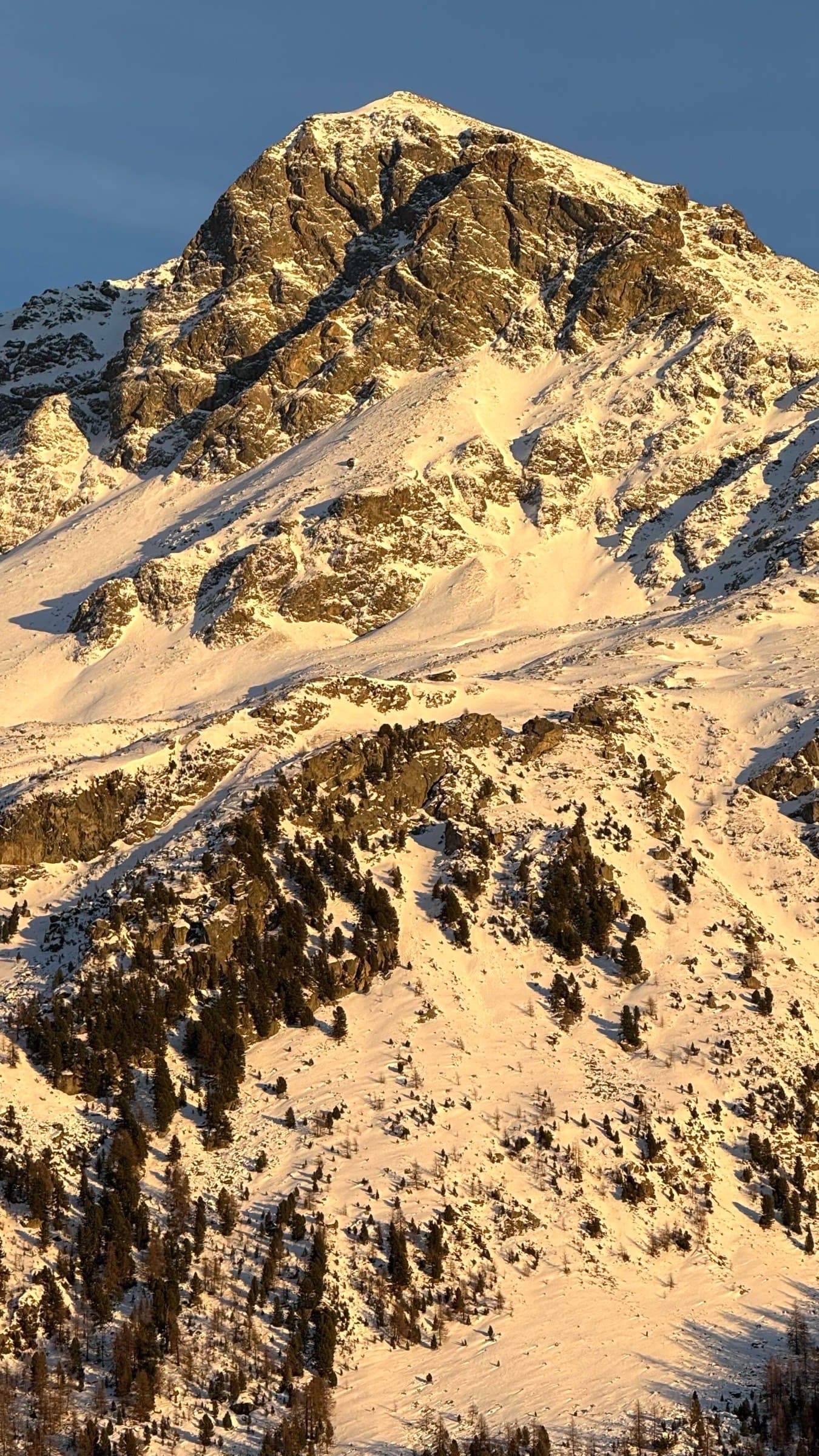
At the top of Breckenridge the trees simply stop. Above a certain line nothing grows, and the mountain becomes a world of open bowls, chutes packed by the wind and thin, brilliant air. To reach the highest of it you ride the Imperial Express SuperChair to 12,840 feet, the highest chairlift in North America, and step off somewhere that used to take a hike of forty five minutes to earn.
What the Imperial Express buys you
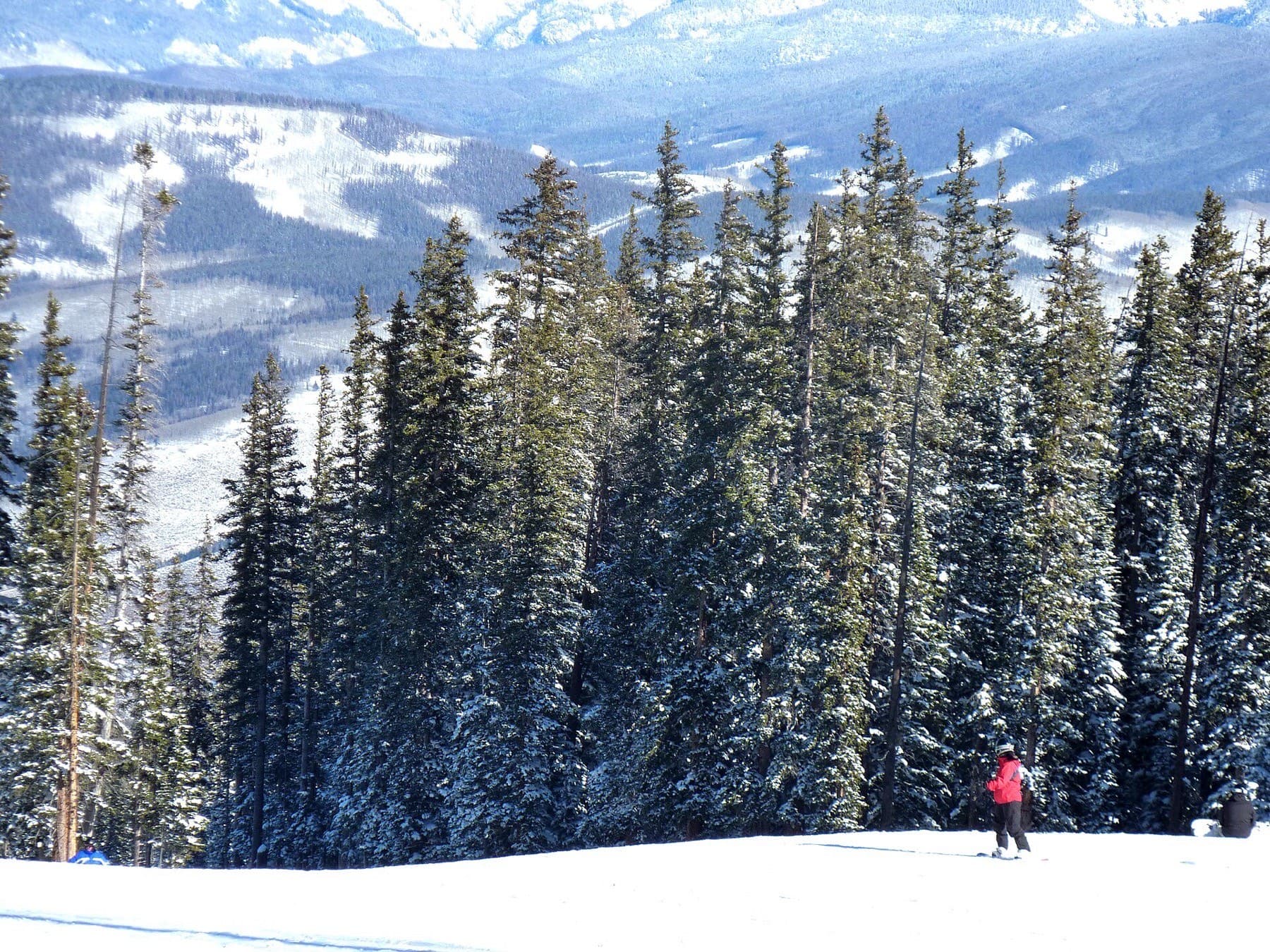
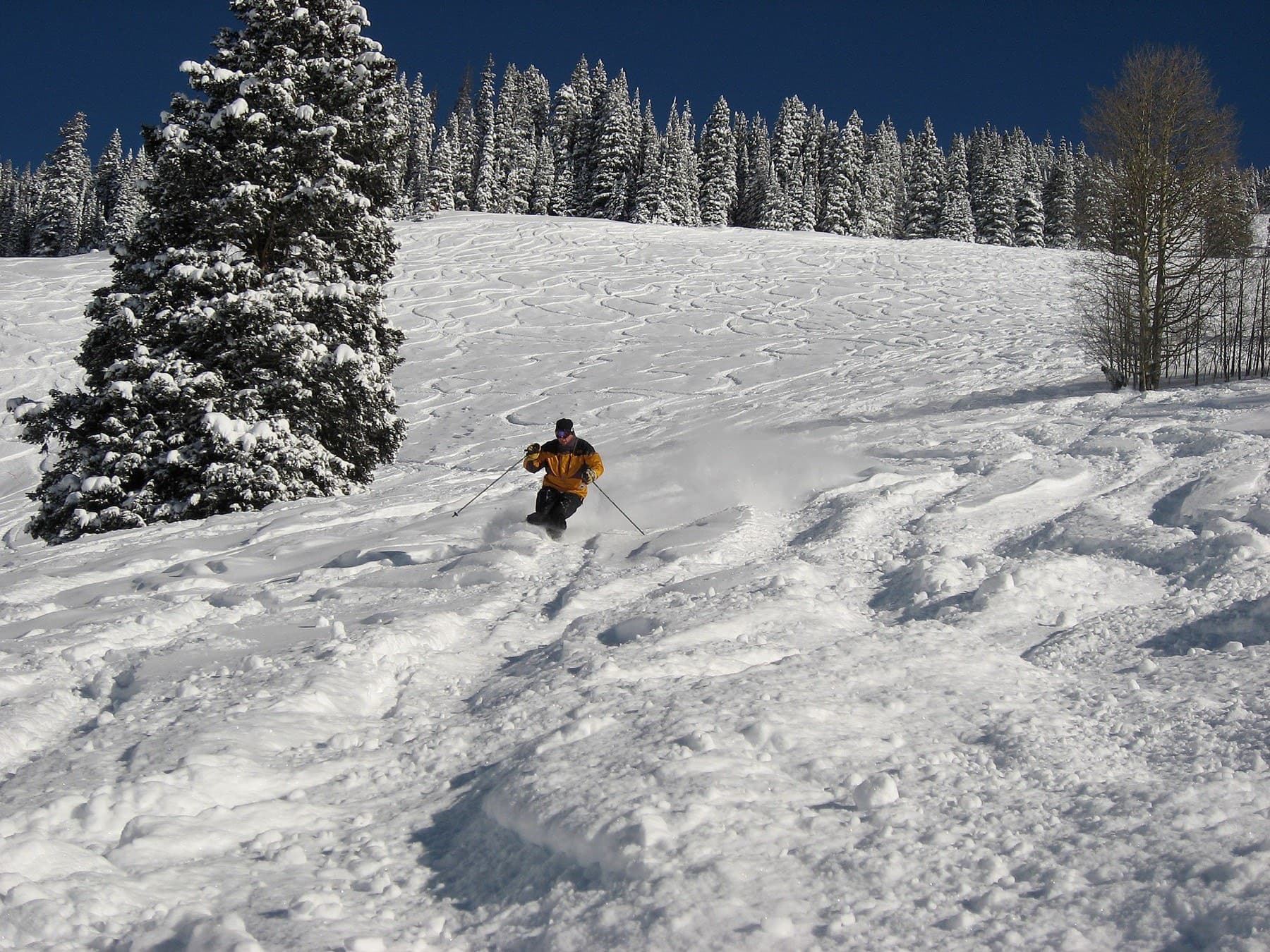
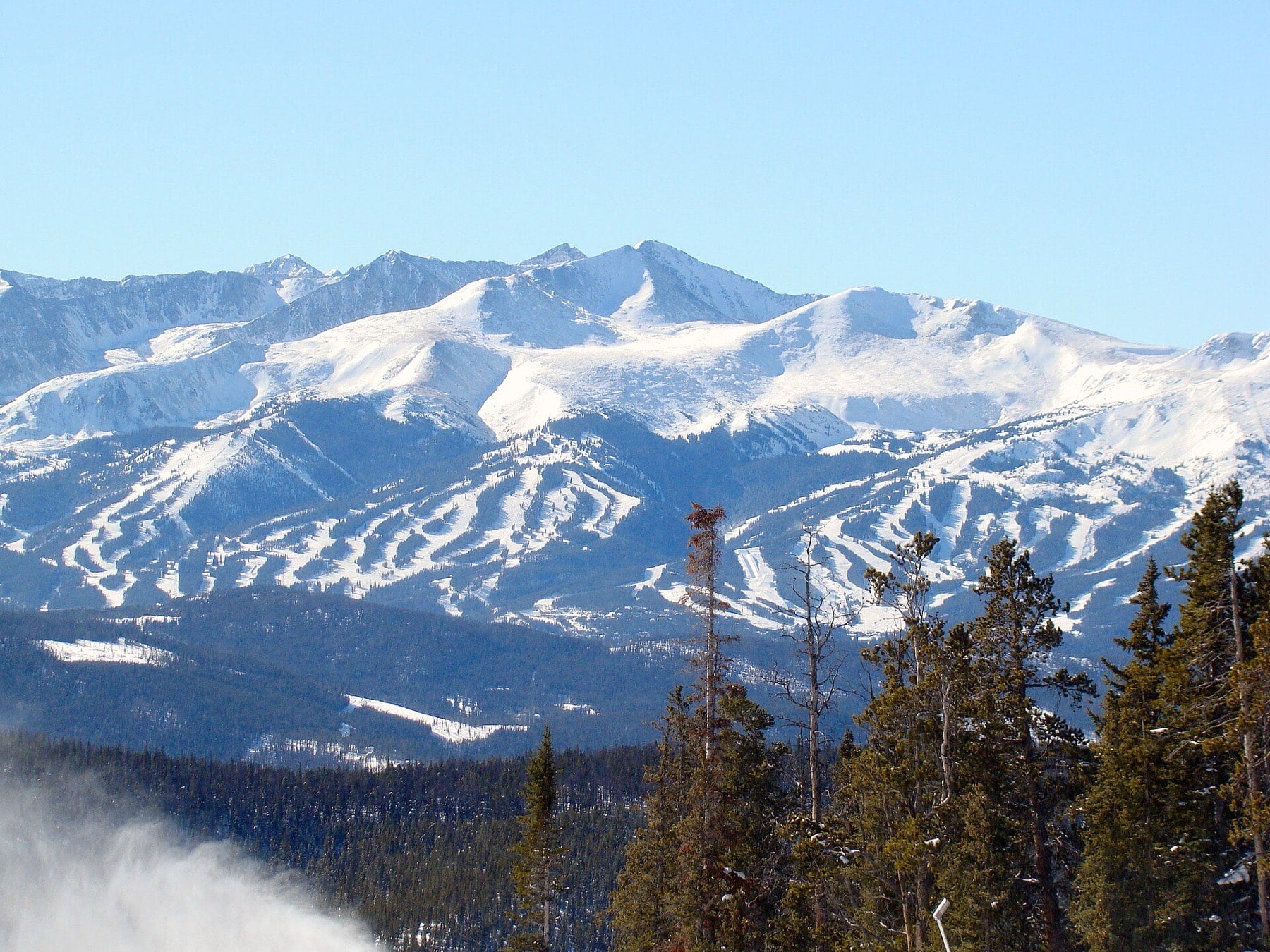
That ride buys you a kind of skiing most people never get in bounds: more than four hundred acres of terrain above the treeline, all bowls and steeps and long sightlines. Peak 6, opened in 2013, added another five hundred acres of the same. Wide open snow, with the curve of the Tenmile Range running away in every direction. It is exposed, serious country, and on a clear morning it feels like the roof of the continent.
How much terrain sits above the trees
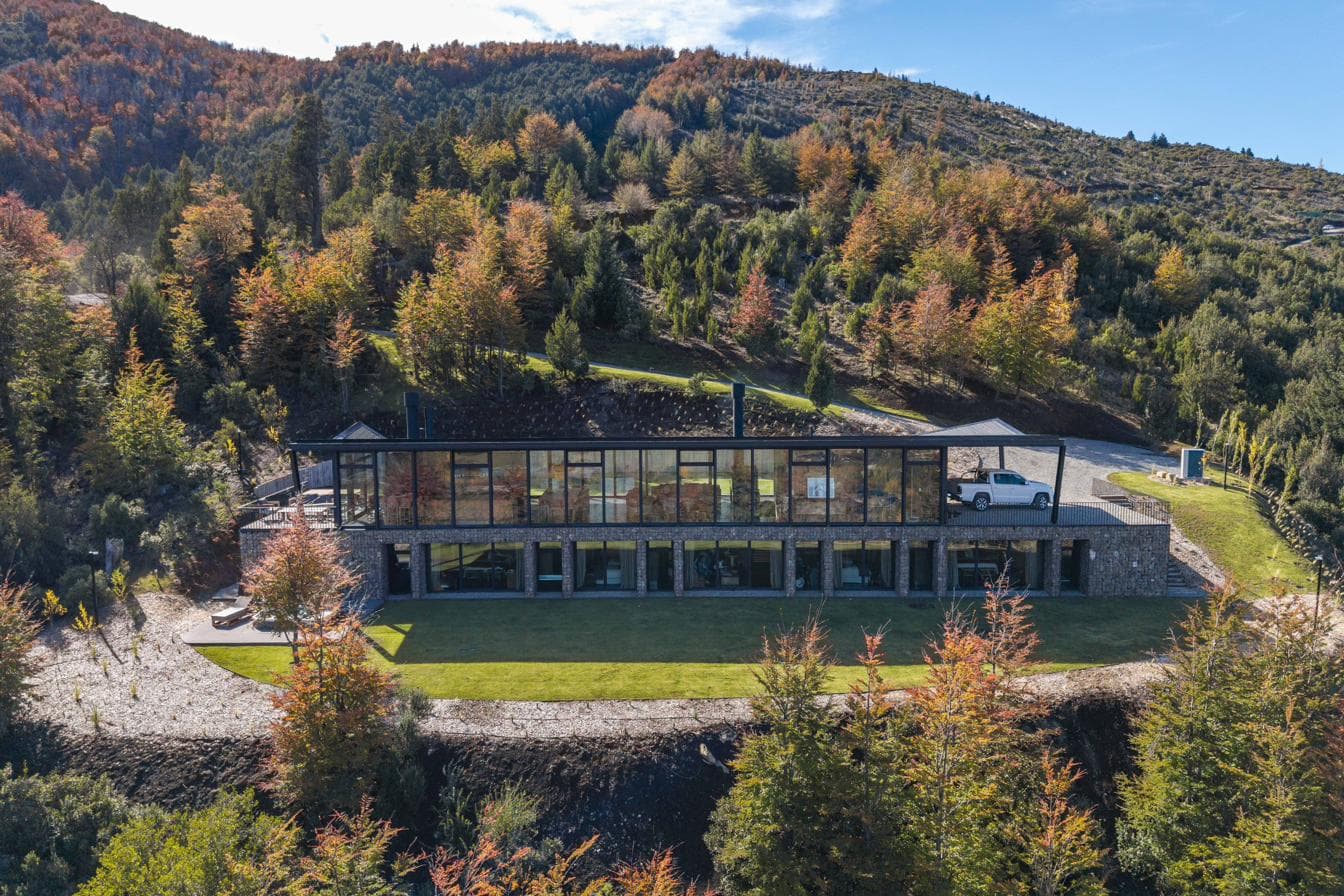
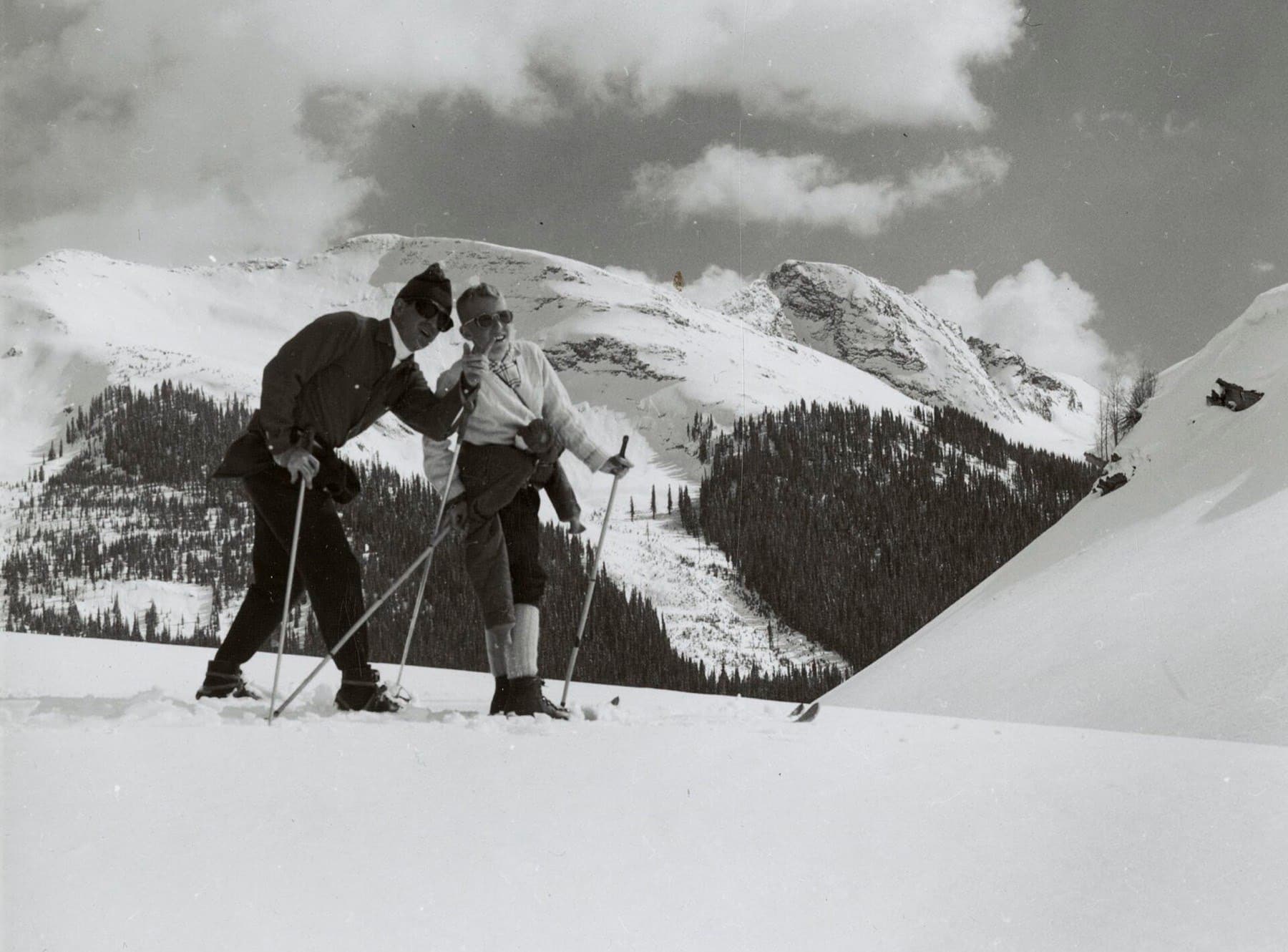
Then you ski back down into 1859. Gold was found in the Blue River that August, and the town that grew up around it never erased itself. Breckenridge still keeps the longest Victorian main street in Colorado, low clapboard storefronts in faded colours, the whole thing improbably intact beneath the peaks.
The town underneath
That contrast is the appeal. Few places ask you to ski the thin air at thirteen thousand feet in the morning and walk a gold rush street at night. Breckenridge does both without trying, and the altitude stays with you the entire time. Punishing, exhilarating, impossible to forget.
Common questions
What is the highest chairlift in North America?
The Imperial Express SuperChair at Breckenridge, which tops out at 12,840 feet.
Is the altitude at Breckenridge a problem?
It can be. The town sits above 9,600 feet, so we usually plan an easier first day and, where the itinerary allows, a night at lower altitude before arriving.
What is there above the treeline?
More than four hundred acres of open bowls and chutes, plus Peak 6, which added another five hundred acres of the same in 2013.
- Colorado
- Breckenridge
- Above the treeline