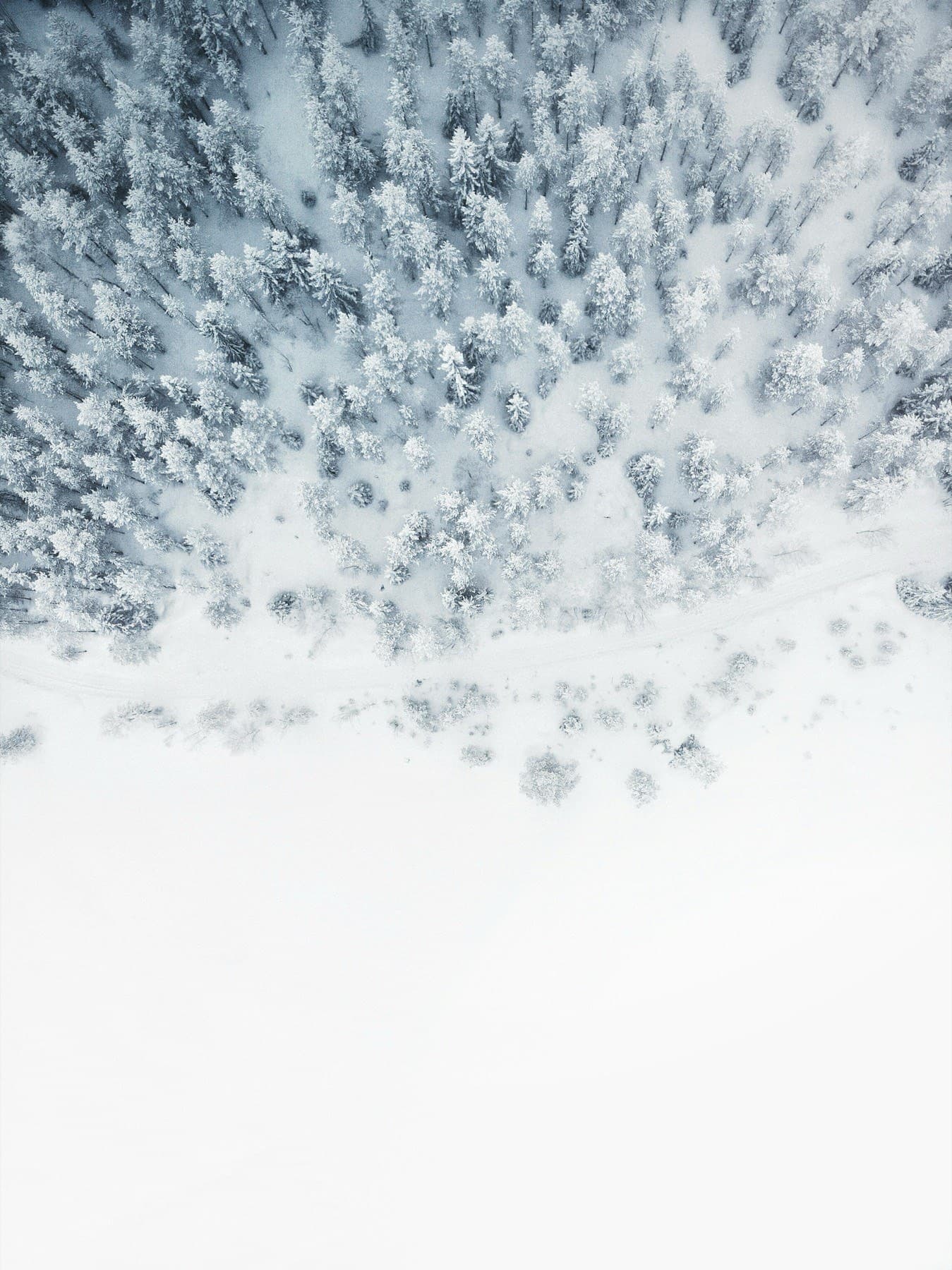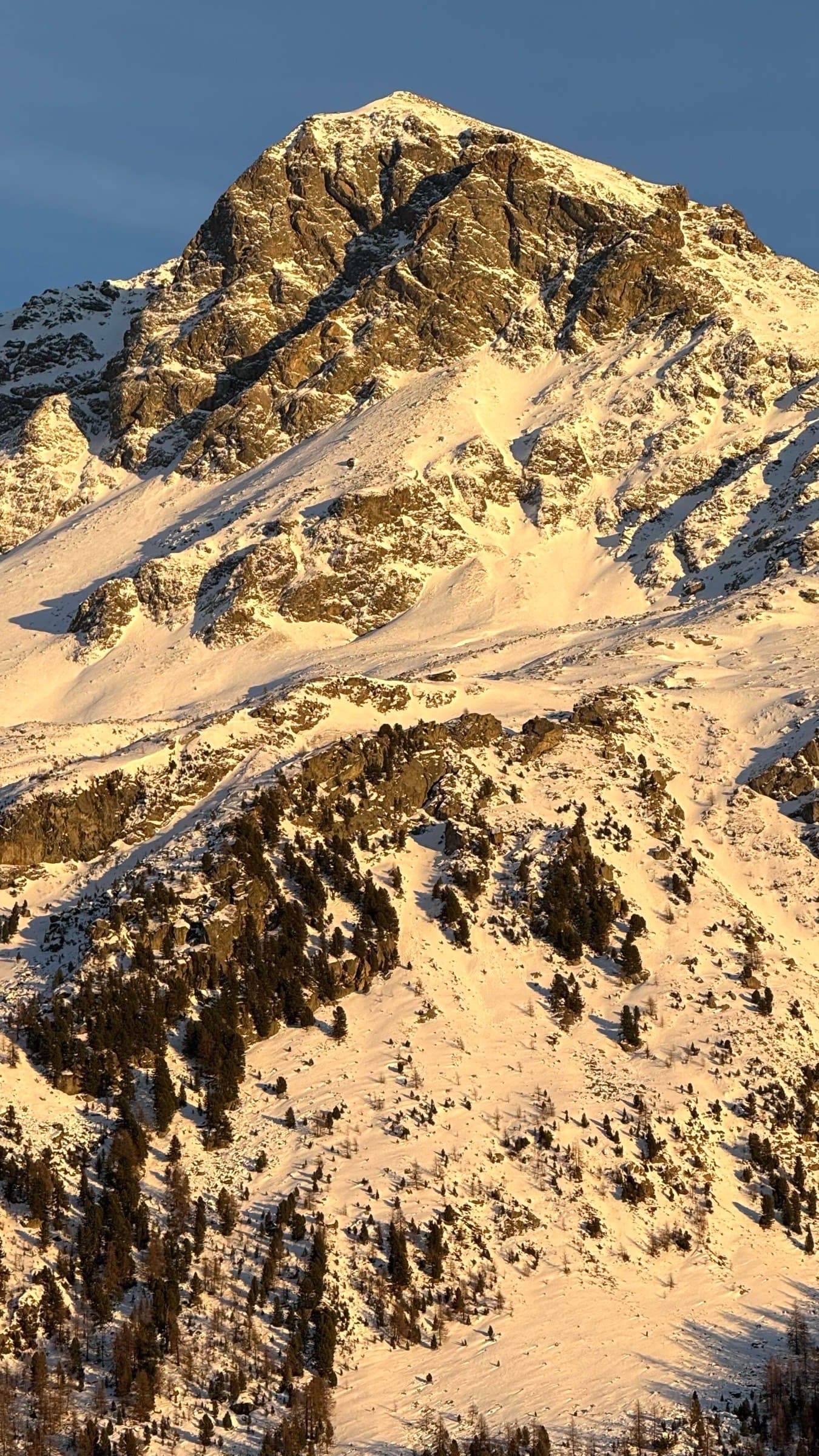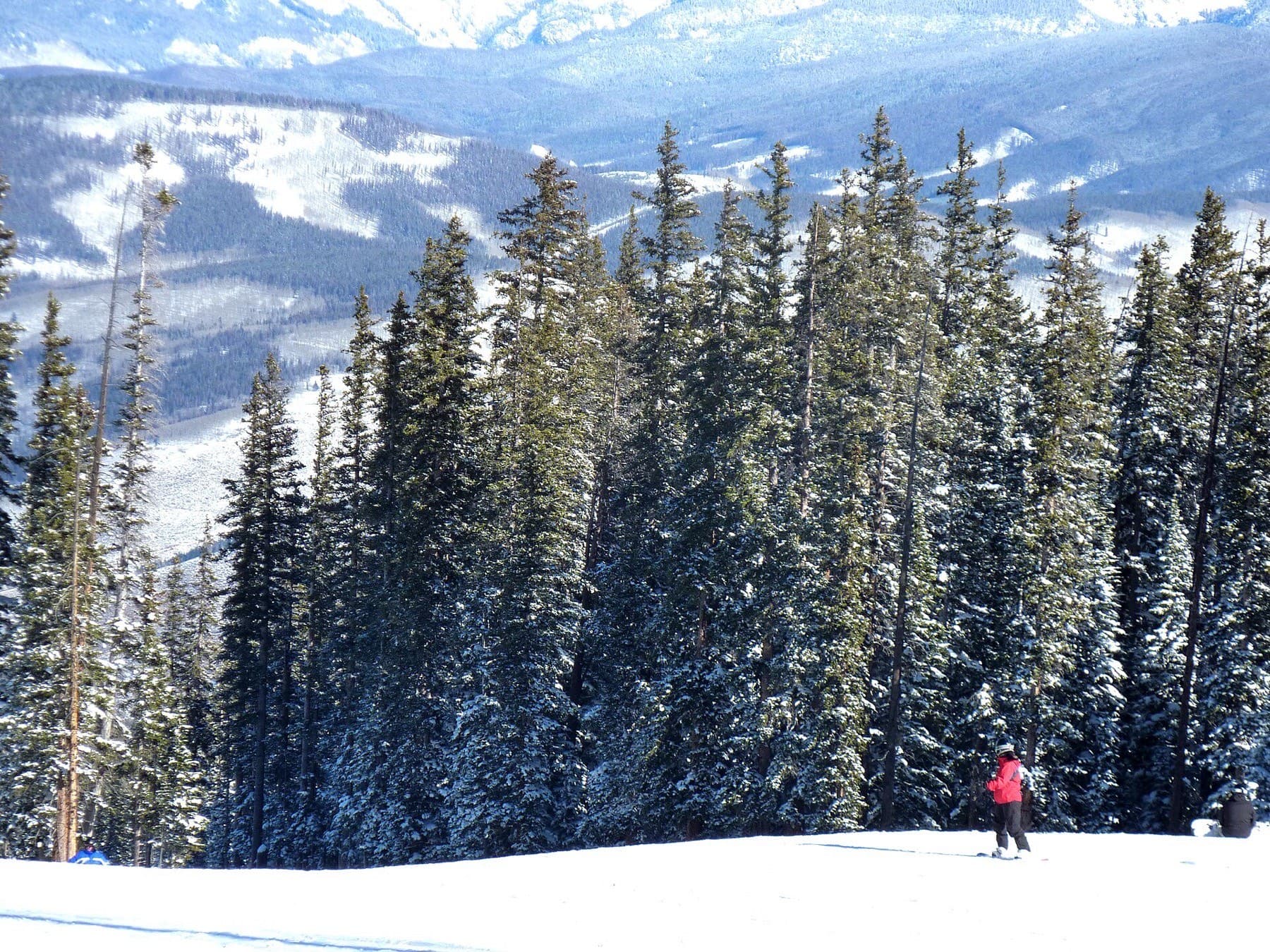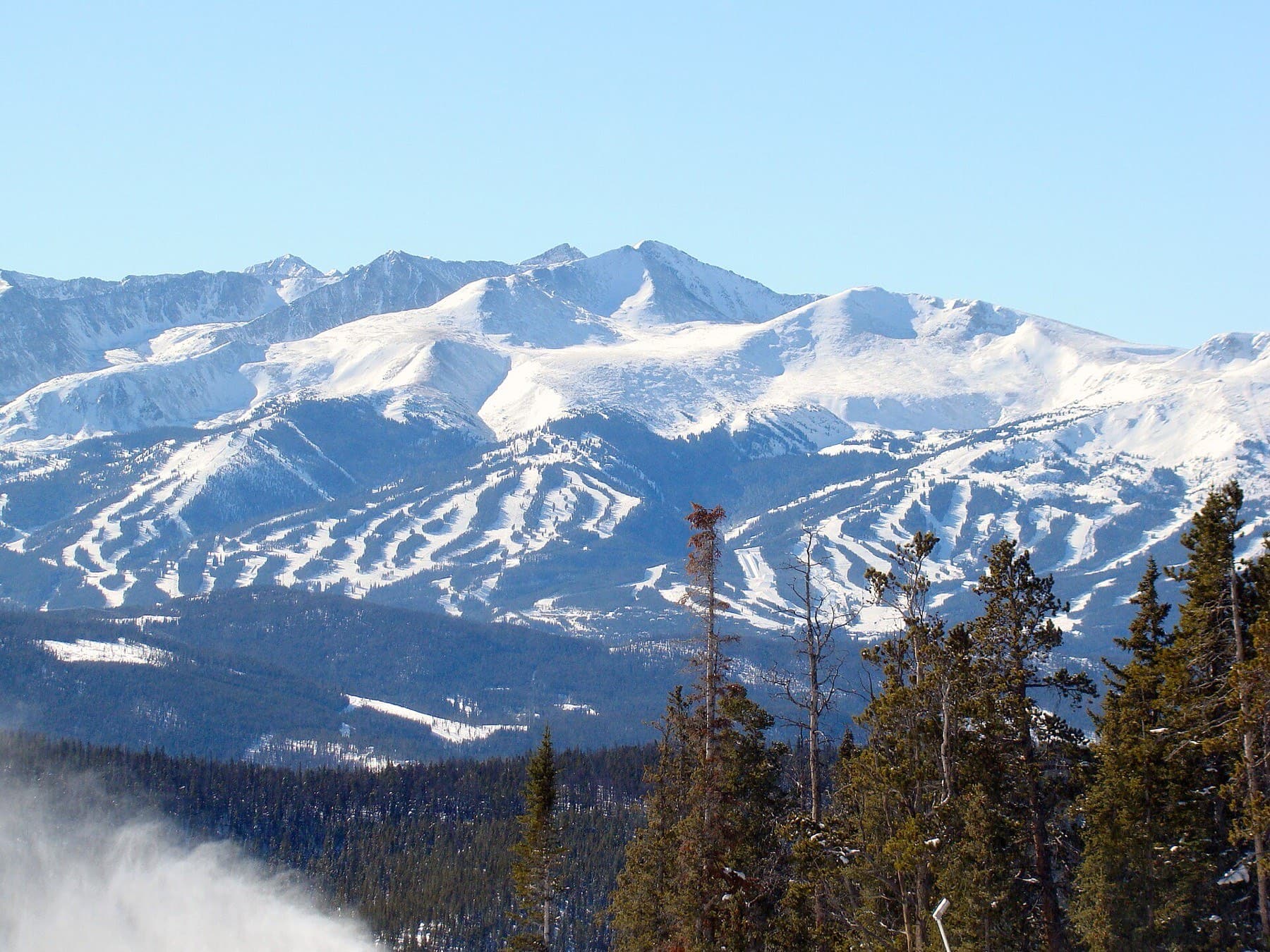
You don't understand Vail until you ski over the back of it. The front mountain is excellent: long, civilised, immaculately groomed. But it's a curtain. Drop over the ridge and the Back Bowls open in front of you: seven treeless basins running six miles end to end, more than three thousand acres of open snow with nothing between you and the far side of the Rockies.
What makes the Back Bowls different
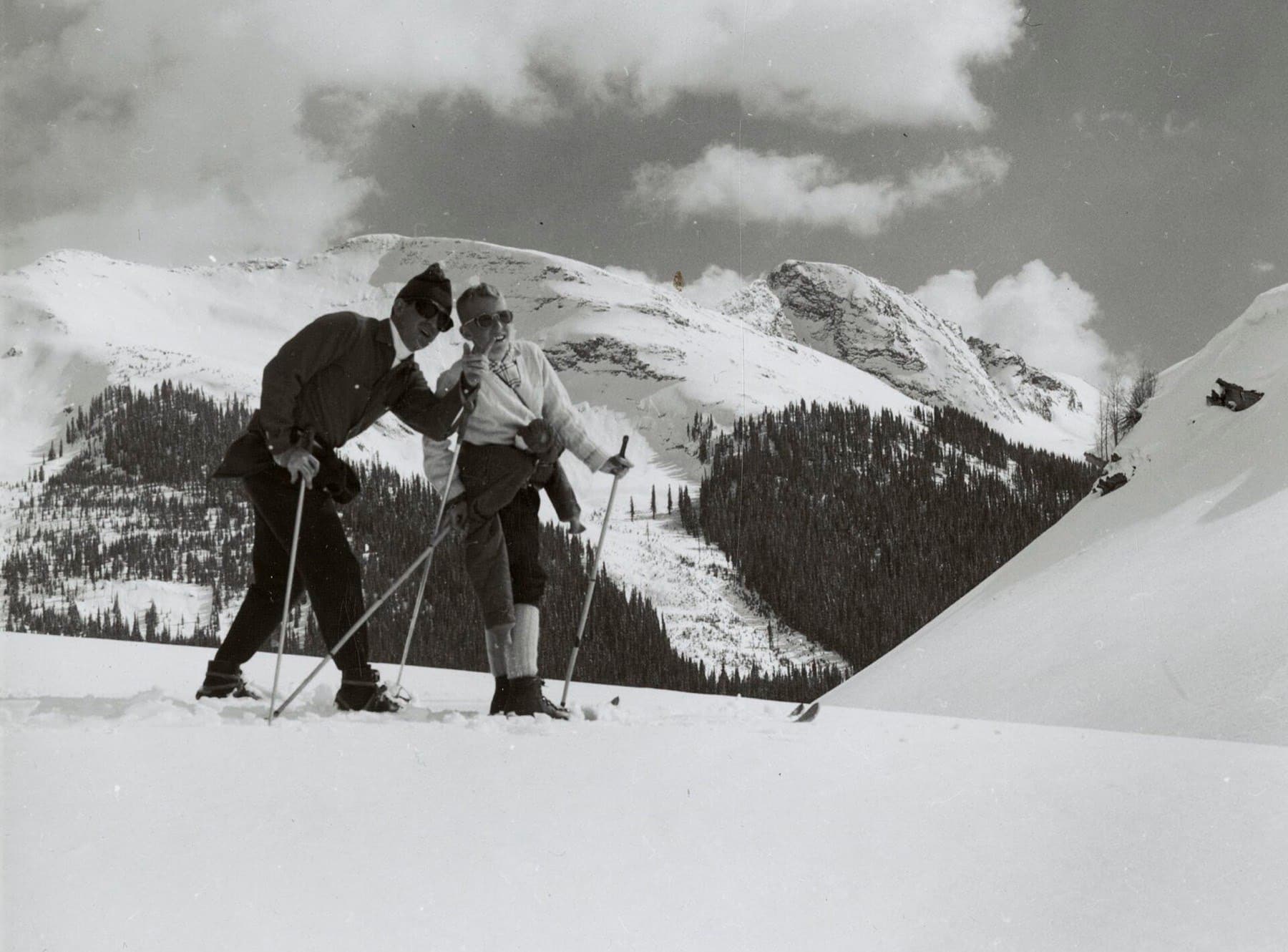
That scale isn't an accident. In 1957, a veteran of the 10th Mountain Division hiked seven hours to the summit with a local rancher, stood on Ptarmigan Ridge, and looked down at the backside for the first time. The resort opened in 1962. Today Vail covers 5,289 acres, the third largest single mountain in the United States, and the bowls remain its beating heart.
Where the scale comes from
The village is the other half of the story. Its founder had spent time in Europe, and he built Vail to feel like the Tyrol: narrow streets, steep gabled roofs pitched to shed the snow, the warm light of a mountain town at dusk. It is a piece of theatre, and it works. After a day in the bowls, walking those streets feels exactly right.
Why the village works
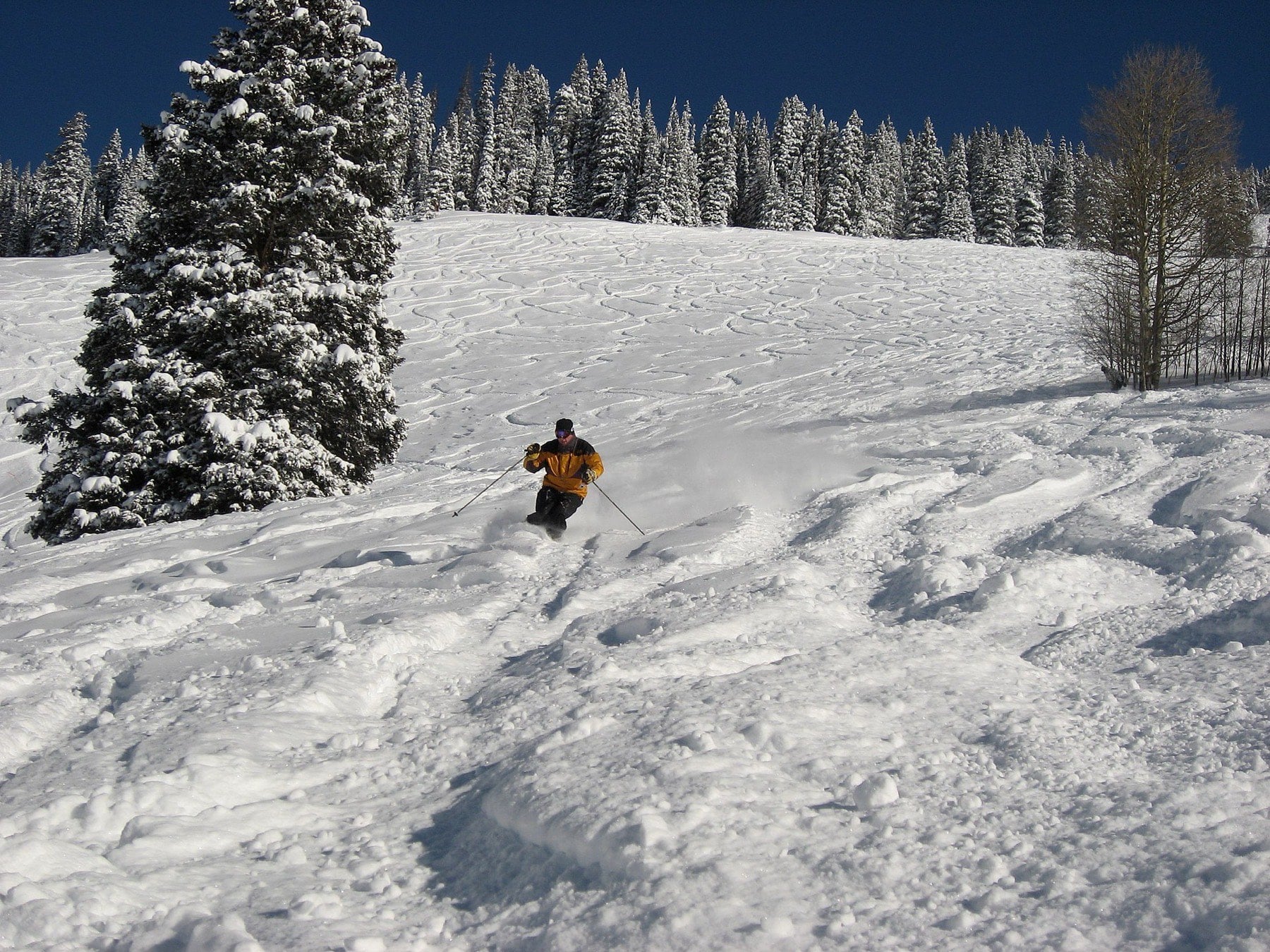
Ask a serious skier why they return to Vail and they rarely mention the lifts. They talk about a powder morning in the bowls in January, the whole expanse untracked, the cold thin air, and the rare sense of having more mountain in front of you than you could ski in a week.
Common questions
What are the Back Bowls at Vail?
Seven treeless basins running six miles end to end, more than three thousand acres of open snow behind the front mountain.
How big is Vail?
5,289 acres, which makes it the third largest single mountain in the United States.
Is Vail good for a first ski trip?
It works, but the scale can overwhelm. For a first trip we often suggest Beaver Creek, ten minutes down the valley, where the beginner terrain is genuinely separate.
- Colorado
- Vail
- Back Bowls